Top 10 Dangerous Dog Health Diseases Every Pet Owner Must Know

Dogs rely on their owners not only for love and care but also for protection against serious and potentially fatal health conditions. Many dangerous dog diseases progress silently and only show symptoms when the condition has already become severe. Knowing the risks, warning signs, and prevention strategies can make the difference between life and death.
This comprehensive guide explains the top 10 most dangerous dog health diseases, including causes, symptoms, treatments, and proven prevention methods every responsible pet owner should know.
1. Rabies in Dogs
Rabies is a viral disease that attacks the central nervous system and is nearly 100% fatal once symptoms appear. It is also a zoonotic disease, meaning it can spread from dogs to humans.
Key Symptoms:
- Sudden aggression or extreme fear
- Excessive drooling or foaming at the mouth
- Disorientation and seizures
- Paralysis
Prevention:
- Mandatory rabies vaccination
- Avoid exposure to wild or unvaccinated animals
2. Canine Parvovirus (Highly Contagious and Life-Threatening)
Canine parvovirus is one of the most deadly puppy diseases, attacking the digestive system and immune cells.
Symptoms:
- Severe bloody diarrhea
- Persistent vomiting
- Dehydration and weakness
- Fever
Prevention:
- Timely core vaccinations
- Strict hygiene and sanitation
3. Canine Distemper (Multi-System Viral Disease)
Canine distemper affects the respiratory, gastrointestinal, and nervous systems and often leads to permanent neurological damage.
Symptoms:
- Eye and nose discharge
- High fever
- Muscle twitching
- Seizures
Prevention:
- Routine distemper vaccination
- Isolation of infected animals
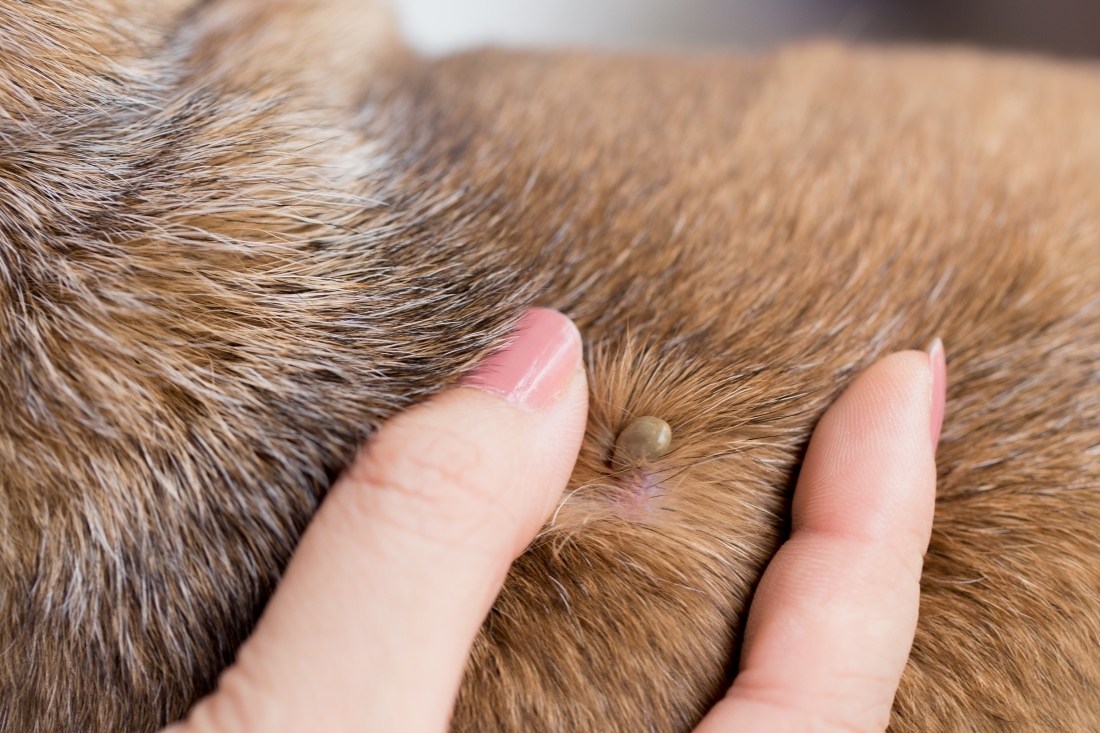
4. Heartworm Disease (Silent and Deadly Parasite Infection)
Heartworm disease is caused by Dirofilaria immitis, a parasite transmitted through mosquito bites. Adult worms live in the heart, lungs, and blood vessels, causing severe organ damage and death if untreated.
Symptoms:
- Persistent cough
- Fatigue after mild exercise
- Weight loss
- Heart failure in advanced stages
Why Prevention Is Critical:
Heartworm treatment for dogs is expensive, risky, and painful, while prevention is safe and affordable.
Recommended Heartworm Preventive Medications:
Veterinarians commonly recommend the following vet-approved monthly preventives:
- Heartgard Plus for Dogs
Protects against heartworms and treats roundworms and hookworms. Safe for puppies as young as 6 weeks. - Simparica Trio for Dogs
An all-in-one chewable that prevents heartworm disease while also protecting against fleas, ticks, roundworms, and hookworms. - NexGard Spectra for Dogs
Offers comprehensive protection against heartworms, fleas, ticks, and intestinal worms in a single monthly dose.
Prevention Tips:
- Administer heartworm prevention every month, year-round
- Annual heartworm testing
- Use vet-approved preventives only
5. Cancer in Dogs (Leading Cause of Death in Senior Dogs)
Cancer is one of the most common and deadly diseases in older dogs. Some breeds are genetically predisposed to certain cancers.
Common Types:
- Lymphoma
- Bone cancer (osteosarcoma)
- Mast cell tumors
Symptoms:
- Unexplained weight loss
- Lumps or swelling
- Loss of appetite
- Persistent pain or lameness
Treatment:
- Surgery
- Chemotherapy
- Radiation therapy
Prevention:
- Regular vet checkups
- Early screening
6. Kidney Disease in Dogs
Kidney disease reduces a dog’s ability to filter waste from the bloodstream. It is common in older dogs and often progresses silently.
Symptoms:
- Increased thirst and urination
- Vomiting
- Bad breath
- Weight loss
Treatment:
- Special prescription diet
- Medications and fluid therapy
Prevention:
- Proper hydration
- Routine blood and urine tests
7. Liver Disease in Dogs
The liver plays a vital role in detoxification and metabolism. Liver disease can develop due to toxins, infections, or genetics.
Symptoms:
- Yellowing of eyes or gums (jaundice)
- Loss of appetite
- Diarrhea
- Weakness
Treatment:
- Medications
- Dietary management
- Treating underlying causes
Prevention:
- Avoid toxic foods and medications
- Regular veterinary screenings
8. Diabetes in Dogs
Canine diabetes occurs when the body cannot properly regulate blood sugar levels, requiring lifelong management.
Symptoms:
- Excessive thirst and urination
- Sudden weight loss
- Increased hunger
- Lethargy
Treatment:
- Daily insulin injections
- Controlled diet
Prevention:
- Weight management
- Healthy nutrition
- Regular blood tests
9. Bloat (Gastric Dilatation-Volvulus – GDV)
Bloat is a medical emergency where the stomach fills with gas and twists, cutting off blood supply.
High-Risk Breeds:
- Great Danes
- German Shepherds
- Dobermans
Symptoms:
- Distended abdomen
- Unproductive retching
- Restlessness
- Rapid breathing
Treatment:
- Emergency surgery
Prevention:
- Smaller meals
- Avoid exercise after feeding
10. Leptospirosis (Zoonotic Bacterial Disease)
Leptospirosis is a bacterial disease that spreads through contaminated water and urine from infected animals.
Symptoms:
- Fever
- Muscle pain
- Vomiting
- Kidney and liver failure
Treatment:
- Antibiotics
- Supportive care
Prevention:
- Leptospirosis vaccination
- Avoid stagnant water sources
Conclusion
Many of these dangerous dog health diseases are preventable with vaccinations, parasite prevention, regular veterinary checkups, and early diagnosis. Using reliable preventatives like Heartgard Plus, Simparica Trio, and NexGard Spectra can significantly reduce the risk of deadly parasitic diseases.
Your dog relies on you for protection - knowledge and prevention can save their life